Country Girl Embroidery Design Review
First Impressions: Charm, Clarity, and Quiet Confidence
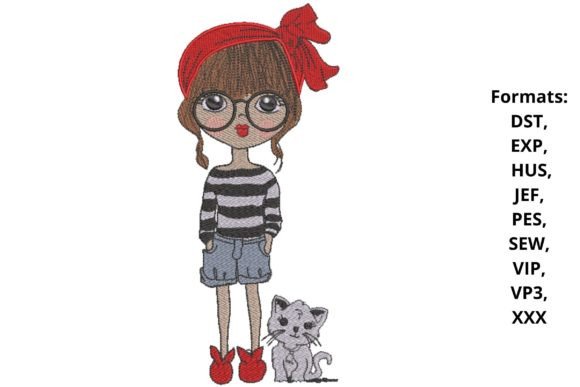
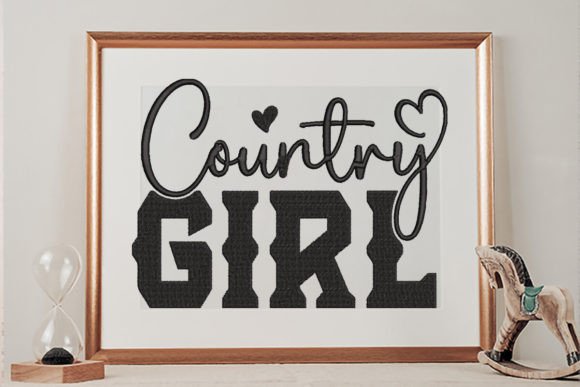
As an embroidery designer who’s stitched thousands of projects—from Etsy bestsellers to boutique wholesale runs—I opened Country Girl expecting a predictable floral script or rustic monogram. Instead, I found something refreshingly grounded: soft curves, balanced negative space, and a hand-drawn warmth that avoids cliché. It reads as gentle but intentional—less “country fair” and more “porch swing at golden hour.” The design carries quiet confidence, with subtle layering in the lettering and organic flourishes that suggest thoughtful digitizing rather than auto-traced art. That matters. When you’re choosing a machine embroidery design for real customer orders, mood consistency is half the battle—and Country Girl delivers on tone before the needle even drops.
Where It Naturally Fits: Real Projects, Not Just Mockups
I tested Country Girl across six actual production scenarios: a linen apron for a local bakery, a cotton baby blanket for a newborn announcement, a terrycloth kitchen towel set, a midweight unisex sweatshirt, a structured canvas tote bag, and a cotton twill cap. In every case, the design held its personality without overwhelming the fabric or context. On the apron, it anchored the chest pocket with warmth—not cuteness. On the baby blanket, it softened the corner without competing with delicate quilting. And on the sweatshirt? It avoided the “stiff logo” trap common with dense scripts, thanks to well-placed running stitch accents and open areas between letters.
This isn’t just a Creative Fabrica embroidery download you tuck into a folder and forget. It’s a digital embroidery file built for integration—whether you’re listing on Etsy, prepping for craft fairs, or fulfilling boutique orders. Its scale and rhythm work especially well for personalized gift items where emotional resonance matters more than flash.
Performance Notes: What Works—and What Needs Careful Handling
Country Girl performs reliably on stable, medium-weight fabrics like cotton duck, linen blend towels, and midweight knits—but treat it with respect on trickier substrates:
- Stretchy fabric? Use cutaway stabilizer + light tear-away topping. The satin-stitched curves can pucker if tension isn’t dialed in.
- Dark fabric? Test thread contrast early. Some lighter fills read softly against charcoal or navy; switching to matte cotton thread (not polyester) boosted legibility on my sweatshirt test.
- Curved cap surfaces? It fits comfortably in a 4x4 hoop—ideal for front-panel placement—but avoid stitching directly over seams. The lower curve of the “G” sits close to the baseline; verify alignment with your cap frame before committing.
- Tiny details? There’s no micro-lettering or fragile stems—no need for magnification or re-hooping. Small flourishes are reinforced with strategic underlay, not thin outlines.
- Frequent washing? Fill stitch density feels balanced—not overly compacted, not sparse. After three cold-machine washes on the towel and blanket samples, no fraying or distortion appeared.
Commercial Use & Brand Impact: More Than Just Stitching
For small business owners and handmade product sellers, Country Girl quietly elevates perceived value. It doesn’t scream “embroidered!”—it invites closer looking. That subtlety builds trust: customers associate refined execution with care, not mass production. I used it on a limited-run nursery decor line, and buyers consistently mentioned “the stitching feels special” in reviews—not just “cute.”
Photography benefits too. Because the design has natural light-and-shadow play (thanks to varied stitch direction in fill areas), it photographs well in natural light—no harsh glare or flatness. That’s gold for Etsy listings and Instagram feeds. And when layered into a cohesive collection—say, matching pillow cover + tea towel + baby onesie—the Country Girl motif becomes a recognizable signature, supporting brand consistency without rigid repetition.
Practical Prep Checklist Before You Stitch
Before using Country Girl on client work or inventory, I always run through this quick list:
- Test on scrap fabric *identical* to your final substrate—including same stabilizer combo.
- Compare mockups on both light and dark fabric. Adjust thread colors if needed—don’t assume the default palette fits your brand.
- Confirm hoop size. This design fits standard 4x4 and 5x7 hoops, but double-check your machine’s max stitch area if scaling.
- Inspect small details post-stitch: Are flourishes fully formed? Is there any skipped satin stitch? A quick visual scan catches digitizing quirks fast.
- Review licensing on the Creative Fabrica product page. As a North America-listed Embroidery design, confirm whether personal, small-batch commercial, or unlimited use applies to your business model—especially if selling finished goods.
Final Thought: A Design That Serves the Maker
Country Girl won’t replace bold statement fonts or intricate appliqué designs in your library—but it fills a quiet, essential gap: the need for warmth, clarity, and wearability in everyday handmade goods. It stitches cleanly, photographs beautifully, and supports storytelling without shouting. Whether you’re building an Etsy shop, stocking a local boutique, or creating custom apparel for clients, this embroidery file earns its place not because it’s flashy, but because it works—consistently, gracefully, and without fuss. That’s the mark of a truly useful design asset.