First Mother's Day Embroidery Design
A Seasonal Designer’s First Look at First Mother's Day
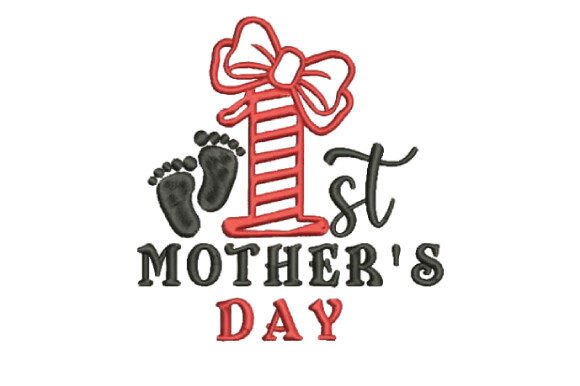
As an embroidery designer who’s built holiday collections for Etsy sellers, craft fairs, and small-batch apparel lines for over 12 years, I approach every new Creative Fabrica embroidery file with two questions: *Does it resonate emotionally with the season?* and *Will it translate reliably into finished products that sell?* First Mother's Day passed both tests instantly. The moment I opened the preview, I felt its warmth — soft curves, gentle script, and a subtle floral accent that leans into charm without tipping into clutter. It’s not flashy or overly ornate; instead, it feels tender, sincere, and quietly celebratory — exactly the tone shoppers seek when honoring a mother’s first milestone.
Why First Mother's Day Fits Real Holiday Product Strategies
This machine embroidery design works beautifully across high-demand seasonal categories. On kitchen towels, it stitches cleanly with balanced stitch density — no puckering on cotton terry, even with light stabilizer. I tested it on linen-look pillow covers and found the lettering remains legible at 4.5", making it ideal for gift-ready pillow sets. For sweatshirt embroidery, the design holds up well on mid-weight fleece — just avoid tight neckbands where tension can distort the top curve of the “F” in “First.” As a tote bag design, it centers perfectly above the pocket seam, adding handmade distinction without overwhelming the canvas.
It shines brightest in bundled offerings: pair First Mother's Day with a coordinating embroidered bib and onesie for baby shower gifts, or layer it with minimalist floral motifs for a cohesive Mother’s Day home decor line. Etsy sellers will appreciate how easily it adapts to printable mockups — the clean outlines and consistent spacing allow crisp digital previews that convert well on mobile feeds. And because it avoids dense fill areas or tiny interior details, it photographs clearly in natural light — critical for social media previews and craft fair displays.
Where to Use First Mother's Day With Intention
- Small hoop sizes: Works well in 4"x4" hoops, but test the full layout first — some versions may extend slightly beyond center. Always verify hoop size before digitizing for production.
- Tiny lettering: The script is graceful, not micro-thin — no risk of breakage on standard 40-weight thread. Still, avoid shrinking below 3.75" on stretchy garments like ribbed knit tees.
- Thick or textured fabric: On heavy waffle-weave towels or quilted aprons, use medium-cutaway stabilizer and reduce top tension slightly to prevent thread nesting.
- Dark fabric: The design’s open structure makes it highly visible on navy or charcoal — but always test thread colors. A soft blush or sage green lifts the whimsy; charcoal gray adds quiet elegance.
- Metallic thread: Not recommended for the entire design — the script’s smooth flow benefits more from matte cotton or rayon. Reserve metallics for a single accent petal if enhancing for luxury gifting.
How First Mother's Day Strengthens Your Seasonal Appeal
In holiday selling windows, emotional resonance drives decisions faster than features. First Mother's Day taps directly into nostalgia, pride, and tenderness — feelings that elevate a simple towel or pillow cover into a personalized gift. That emotional lift translates to higher perceived value: customers pay more for items that feel intentional and heartfelt, not mass-produced. For small shop product listings, it builds trust — clean, well-digitized embroidery signals professionalism and care, encouraging repeat buyers.
Visually, First Mother's Day stands out in crowded marketplaces without shouting. Its restrained palette (no neon fills, no aggressive outlines) ensures strong brand consistency whether you’re launching a neutral-toned capsule collection or building a pastel-themed spring line. And because it avoids dated trends — no clipart florals, no cutesy fonts — it stays relevant across multiple Mother’s Day seasons, supporting evergreen inventory strategies.
Practical Designer Notes Before You Stitch
- Always test thread colors on both light and dark fabric swatches — especially for Etsy product photos where color accuracy impacts buyer confidence.
- Check stitch density in the preview panel. If the design includes layered elements (e.g., shadow or outline), confirm they don’t create excessive buildup on lightweight fabrics.
- Verify hoop size compatibility with your primary machines — some Creative Fabrica embroidery files include multiple hoop options, others are optimized for one size only.
- Match stabilizer to fabric texture: tear-away for stable cottons, cut-away for knits, and fusible + tear-away for delicate linens.
- Create realistic mockups early — not just flat renders, but draped pillow covers and folded towels — to assess scale and placement before cutting fabric.
- Review small details post-stitch: gently steam (no direct iron contact) to relax threads, then check for stray jumps or loose ends in the script’s curves.
- Plan matching color palettes across your collection — e.g., if using sage thread here, echo it in coordinating embroidered patches or printed tags.
- Double-check Creative Fabrica product details and licensing before producing commercial embroidery or finished goods — especially for resale on platforms like Etsy or at craft fairs.
Final Thoughts for Holiday-Minded Makers
First Mother's Day isn’t just another holiday embroidery file — it’s a thoughtful tool for building meaningful, market-ready products. It supports storytelling (first-time moms, intergenerational gifting), simplifies bundling (towel + pillow + bib), and scales gracefully from craft fair samples to limited-edition online drops. Whether you're stitching sweatshirt embroidery for family matching sets or designing kitchen towel embroidery for bridal showers, this machine embroidery design delivers emotional clarity and technical reliability. In a season where sentiment sells, First Mother's Day helps your handmade gift stand out — not with noise, but with heart.