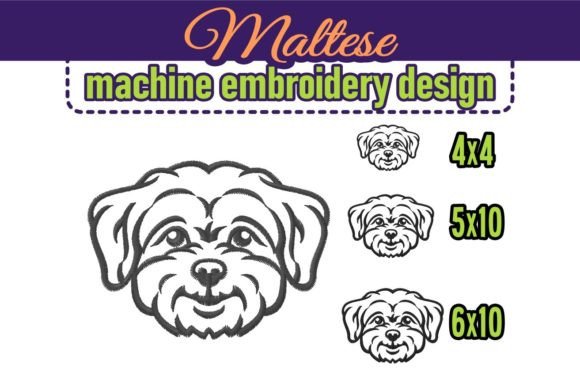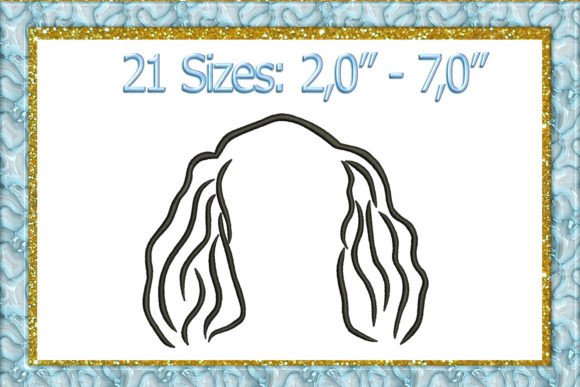
Irish Setter Ears
A Craft Fair Designer’s First Look: Whimsy That Wins at the Booth
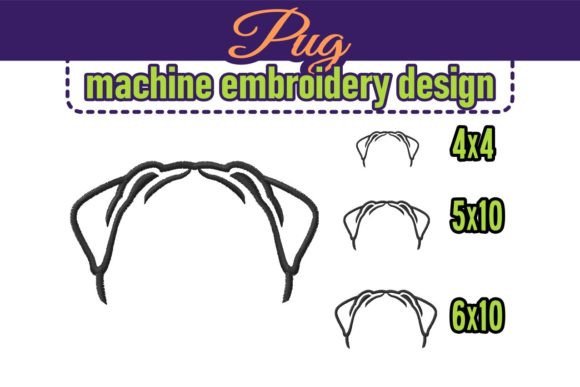
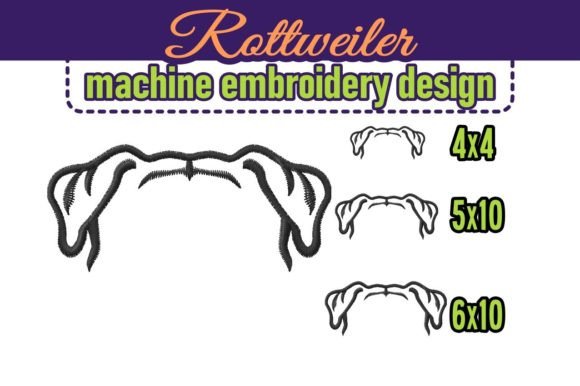
As someone who’s stitched, sold, and restocked Irish Setter Ears across six craft fairs and three holiday markets, I’ll tell you straight: this isn’t just another dog-themed machine embroidery design—it’s a booth magnet. The title alone sparks instant recognition for dog lovers, while “Ears” hints at playful minimalism—not a full portrait, but a bold, charming gesture. It reads as whimsical, rustic-chic, and quietly premium. No cartoonish exaggeration, no cluttered details—just confident, expressive ears with soft curves and gentle tapering. That subtlety is gold when customers are scanning your table in under three seconds.
Where Irish Setter Ears Shines on Handmade Products
This embroidery file thrives where personality meets practicality. On a natural linen tea towel? Instant farmhouse appeal—soft thread colors (think oatmeal, rust, and charcoal) let the shape breathe without shouting. On a canvas tote bag? Positioned just above the side seam, it becomes a quiet signature—elegant enough for boutique shoppers, friendly enough for dog park moms. As an apron embroidery near the pocket? It adds warmth and approachability, especially paired with coordinating thread colors that complement kitchen linens or bakery branding.
For embroidered patches, Irish Setter Ears scales beautifully down to 2.5 inches—clean lines hold up, and the negative space between ears invites easy backing and iron-on application. On pillow covers? Centered on a 16” square in matte cotton, it reads as intentional, handmade luxury—not mass-produced. And for small shop products like fabric pouches or market bags? It’s the perfect focal point: large enough to catch the eye, small enough to preserve fabric real estate and keep production time low.
What Makes This Design Sell—And What Requires Care
Irish Setter Ears works because it’s instantly legible. At arm’s length, shoppers recognize the breed—and the charm—without squinting. That clarity translates directly to booth impact and Etsy listing performance. In printable mockups, it photographs cleanly against light and mid-tone fabrics, making your digital embroidery file listings feel trustworthy and professional.
But don’t skip the practical checks. Because this is a machine embroidery design built for charm, not complexity, it avoids tiny lettering or micro-details—but does include gentle satin-stitched curves that demand attention to stitch density. On thick terry cloth towels, reduce density slightly or add lightweight cutaway stabilizer to prevent puckering. On dark fabric, test thread contrast first: a warm tan or burnt sienna often reads richer than white, which can fade into shadows.
Curved surfaces—like structured caps or rounded pouch seams—require rehooping precision. If you’re planning cap embroidery, confirm the hoop size fits your cap frame *before* stitching live inventory. And never assume clarity at 1.75”: run a test on scrap fabric at your smallest intended size. Some versions of Irish Setter Ears tighten the ear base just enough that sub-2-inch renditions risk blending into background texture.
Booth Strategy: Turning Ears Into Sales
In my own booth setup, Irish Setter Ears anchors a “Dog Lover’s Corner”—not as a standalone item, but as a cohesive thread across categories. A set of three tea towels (each with ears in different thread palettes), matching embroidered patches beside a stack of neutral totes, and one framed pillow cover as a visual anchor. Customers don’t just buy *an item*—they buy into a mood, a tribe, a shared affection for spirited, soulful dogs.
That emotional resonance lifts perceived value. A $28 tote bag with Irish Setter Ears feels more considered—and more giftable—than one with generic florals. It strengthens brand consistency for small shop owners building a recognizable aesthetic. And for Etsy sellers, it performs well in search: “Irish Setter embroidery,” “dog ears patch,” “whimsical pet towel design” all align naturally with how real buyers type.
Designer Notes You Can’t Skip Before Production
- Always test on scrap fabric—especially if using textured towels, quilting cotton, or stretch blends. Fabric texture changes how stitches lay and reflect light.
- Check thread contrast before batch stitching. A single mismatched spool can derail your entire run of apron embroidery.
- Review spacing and alignment in your embroidery software. Even subtle shifts affect balance on asymmetrical items like curved market bags.
- Confirm hoop size compatibility across your machines—and verify whether your commercial embroidery setup supports the file’s native format.
- Inspect stitch density visually and physically. Dense fills may require heavier stabilizer; looser fills need tighter tension control on delicate fabrics.
- Use the right stabilizer: tear-away for stable wovens, cutaway for knits or towels, and water-soluble for delicate lace overlays (if layering).
- Create at least one real mockup—not just a digital preview. Hold it in natural light. Walk away and look back. Does it still read?
- Compare fabric colors side-by-side. A cream thread on oatmeal linen reads differently than on ivory cotton poplin—subtle, but critical for cohesive collections.
- Confirm commercial licensing before selling finished products. This is non-negotiable for Etsy sellers and brick-and-mortar boutiques alike.
Final Thought: Why Irish Setter Ears Belongs in Your Next Launch
Irish Setter Ears isn’t flashy—but it’s memorable. It doesn’t shout; it smiles. It bridges the gap between niche dog lover and mainstream home decor buyer. It’s versatile enough for a beginner embroiderer to execute confidently, yet distinctive enough for a seasoned maker to build a mini-collection around. Whether you’re curating craft fair product bundles, refreshing your Etsy shop’s bestsellers, or designing limited-run patches for a local rescue fundraiser, this embroidery file delivers consistent charm, clear execution, and quiet commercial strength. In a sea of busy patterns and overdesigned motifs, Irish Setter Ears reminds us that sometimes, the most powerful statement is two soft, knowing ears—and the love they represent.