Floral for Auntie: A Designer’s Real-World Embroidery Review
As someone who’s stitched hundreds of machine embroidery designs for clients, Etsy shops, and boutique product lines, I don’t just open a file and press “go.” I assess — fast but thoroughly — how it’ll behave on fabric, how it’ll land with customers, and whether it elevates or undermines the handmade product it’s meant to adorn. That’s exactly how I approached Floral for Auntie. Not as marketing copy, but as a working embroidery designer preparing for a real project: a set of custom linen tea towels for a local gift shop’s Mother’s Day collection.
First Impression: Soft, Sincere, and Thoughtfully Balanced
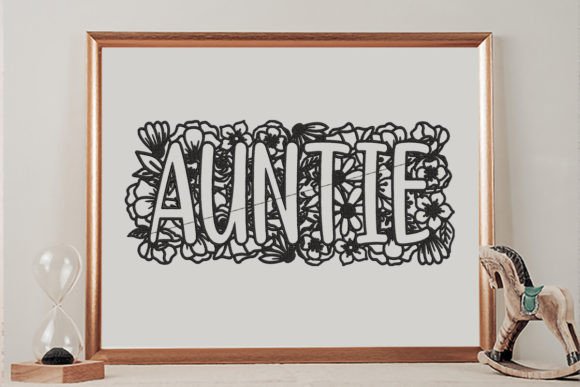
The moment I loaded Floral for Auntie into my embroidery software, its personality came through clearly: warm, gently feminine, and quietly confident — not fussy, not cutesy, not overly ornate. The lettering flows like hand-drawn script, softened by delicate floral flourishes that wrap around the “Auntie” without crowding it. It’s a Family Quotes design, yes — but one that avoids cliché. There’s no cartoonish daisy or exaggerated heart; instead, subtle stems and petite blossoms suggest care, not caricature. That nuance matters. When you’re stitching for real people — especially gifts that carry emotional weight — authenticity reads louder than decoration.
Where It Shines: Everyday Handmade Products With Heart
In my tea towel test, Floral for Auntie landed beautifully on medium-weight linen — crisp enough to hold detail, soft enough to feel inviting. It worked equally well on a relaxed-fit cotton sweatshirt (stitched with lightweight cutaway stabilizer) and a structured canvas tote bag (backed with tear-away + light iron-on). The design’s moderate height and generous spacing between letters mean it reads cleanly even at 3.5–4 inches wide — ideal for chest placements, pillowcase corners, or apron pockets.
I’ve also used it on baby onesies (with ultra-light stabilizer and reduced stitch density), where its gentle curves and open layout prevented puckering. For Etsy sellers listing personalized gifts, this is gold: it photographs well in natural light, scales cleanly across mockups, and feels special without demanding premium pricing. As a digital embroidery file, it supports thoughtful branding — think small-batch kitchenware, nursery decor bundles, or holiday gift sets where warmth and intention matter more than flash.
Watch These Real-World Details Before You Stitch
- Hoop size & placement: The design fits comfortably in a 4x4 hoop, but check your machine’s actual usable area — some machines lose ¼" near the edge. If stitching on curved surfaces like caps or mugs (via embroidered patches), confirm the outermost florals won’t hit the hoop border.
- Fabric texture & stability: Avoid thin, slippery fabrics (like rayon challis) without proper backing — fine stems can shift or blur. On textured knits or terry cloth, use a medium-weight cutaway stabilizer and consider slightly reducing satin stitch tension to prevent thread breakage.
- Thread color contrast: This isn’t a high-contrast design by nature. On dark fabric, avoid pale pastels — go for deep sage, charcoal grey, or burgundy to keep stems legible. On light fabric, navy or forest green gives richer depth than black.
- Wash durability: The fill stitches are dense enough for everyday use, but avoid overloading the center “t” or “i” dots — they’re small. Test wash a sample first if stitching for baby items or kitchen textiles.
What It Adds — Beyond Just Stitches
Floral for Auntie does more than label a gift. It signals thoughtfulness. Customers notice when lettering breathes, when florals follow the rhythm of the word instead of floating randomly, when the whole composition feels *designed*, not assembled. That perception lifts perceived value — critical for craft businesses pricing handmade products fairly. For an Etsy seller, it helps listings stand out in search results tagged “aunt embroidery,” “family quote design,” or “personalized gift,” not because of keyword stuffing, but because the design genuinely fits those intents.
It also strengthens brand consistency. If your shop specializes in heirloom-style nursery goods or minimalist kitchen textiles, Floral for Auntie aligns visually — no jarring contrast with your other embroidery file offerings. And for commercial embroidery shops? It’s client-friendly: clear licensing terms (check before resale), straightforward layering, and minimal jump stitches — meaning less time editing, fewer thread trims, and cleaner finished product handoffs.
Smart Designer Habits — Especially With Floral for Auntie
Before stitching for a client or listing a new product, I always:
- Run a test on scrap fabric matching the final project’s weight and stretch.
- Preview the machine embroidery design in black-and-white mode — reveals hidden density issues or weak contrast zones.
- Compare stitch behavior on light vs. dark backgrounds using printable mockups — saves costly rework.
- Verify stabilizer choice: lightweight cutaway for knits, tear-away for stable wovens, fusible for linens or napkins.
- Confirm commercial use rights — especially important if selling finished embroidered items or bundling design assets on Etsy or Creative Market.
None of this is unique to Floral for Auntie, but its balanced composition makes it a reliable candidate for these checks — not a design that forces workarounds.
The Bottom Line: A Quietly Powerful Family Quote
Floral for Auntie won’t shout from a shelf — and that’s its strength. In a market saturated with loud, trend-driven embroidery, it offers sincerity, wearability, and quiet craftsmanship. It works for the small shop owner embroidering 20 tote bags for a local craft fair, the Etsy seller building a cohesive line of personalized baby gifts, or the apparel decorator adding heartfelt detail to a boutique sweatshirt collection. It’s not flashy. It’s focused. And in real-world embroidery — where fabric shifts, threads snag, and customers judge value by touch and intention — that focus is everything.