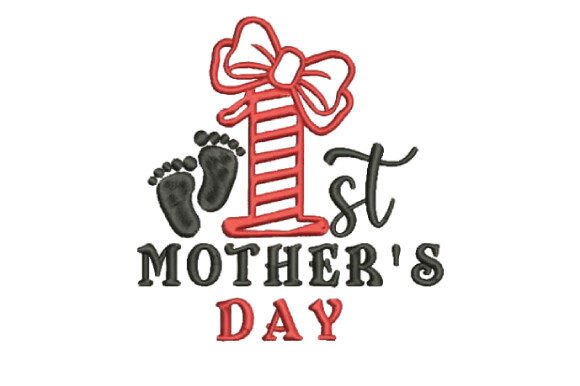
Sleep Tight Embroidery Design
First Impression: Soft, Warm, and Instantly Relatable
As an embroidery designer who’s prepped over 200 craft fair booths, Sleep Tight lands with quiet confidence—not loud, not trendy, but deeply human. It reads as soft, gentle, and warmly nostalgic—think cozy bedtime stories, handmade baby blankets, and slow-morning kitchen rituals. It fits cleanly in the Family Quotes category without leaning into cliché or sentimentality. There’s no cartoonishness, no forced whimsy—just sincerity stitched into simplicity. That makes it a rare find: a machine embroidery design that feels premium *and* approachable at first glance.
Where Sleep Tight Shines on Craft Fair Products
At a bustling handmade market, attention spans are short and tactile engagement is high. Sleep Tight performs strongest where warmth and intentionality matter most:
- Tote bag design: Centered on a natural canvas or oat-colored linen tote, it reads clearly from three feet away—soft enough to invite touch, legible enough to spark conversation (“Oh, that’s for my daughter’s sleepover bag!”).
- Apron embroidery: Positioned just above the pocket on a denim or chambray apron, it adds quiet personality without competing with stains or flour dust. Customers associate it with care, ritual, and home cooking.
- Tea towel embroidery: Works beautifully on medium-weight cotton towels—especially when paired with subtle cross-stitch borders or tonal thread. The phrase feels functional *and* affectionate, fitting right into kitchen gifting.
- Embroidered patch: At 3–4 inches wide, Sleep Tight holds detail well as a sew-on or iron-on patch—ideal for backpacks, denim jackets, or baby onesies. Its rhythm and spacing translate cleanly to small-scale applications.
- Pillow cover & small pouch: On linen or cotton-blend pillow covers, it anchors a neutral palette with emotional weight. As a fabric pouch for keepsakes or lavender sachets? It elevates the handmade product from utilitarian to meaningful.
What Holds It Back (And How to Work Around It)
Sleep Tight isn’t built for high-contrast drama—it won’t pop on black athletic wear or compete with busy prints. And while its charm is undeniable, it demands thoughtful execution:
- Small lettering & fine details: If the original embroidery file includes delicate serifs or tight kerning, test it at 2.5” width on textured tea towels. Dense stitch areas may blur on terry cloth or thick canvas unless stabilized properly.
- Curved surfaces: On caps or curved market bags, letter spacing can distort. Always verify layout in your embroidery software before hooping—and consider a simplified version for headwear.
- Dark fabric: Light thread colors (ivory, pale gray, soft sage) will read best. Avoid white-on-charcoal unless you’re using high-sheen rayon or metallic thread for lift.
- Batch production: Because Sleep Tight relies on tone over trend, it scales beautifully—but only if consistency is locked in early. One misaligned hoop or inconsistent stabilizer choice across 30 totes kills perceived quality.
Photography, Listings, and Online Appeal
This is where Sleep Tight quietly outperforms flashier designs. It photographs with exceptional clarity—even on mobile screens—because its rhythm, spacing, and modest scale lend themselves to clean printable mockups. As an Etsy seller, I’d pair it with lifestyle shots: a folded tea towel draped over a wooden chair, a linen pouch beside a ceramic mug, a child’s cap resting on a quilt. No props needed—just light, texture, and authenticity. Buyers scroll fast; Sleep Tight slows them down with emotional resonance, not visual noise.
Booth Display Strategy
In your craft fair setup, don’t bury Sleep Tight in a sea of patterns. Group it intentionally: one embroidered tea towel, one matching linen pouch, and one small pillow cover—all in the same thread palette—creates instant cohesion. Add a handwritten tag: “For quiet nights and full hearts.” That turns a craft fair product into a story customers want to carry home.
Designer Notes You Can’t Skip
Before cutting your first production run, do this—no exceptions:
- Test on scrap fabric that matches your final product (e.g., actual tea towel weave, not quilting cotton).
- Check thread contrast under both daylight and booth lighting—some ecru threads turn yellow under warm LEDs.
- Review spacing and letter proportion in your embroidery software. Does “Sleep” breathe comfortably next to “Tight”? Uneven tracking undermines handmade quality.
- Confirm hoop size and stitch density—if the file pushes 12,000+ stitches, factor in machine time and thread breaks during back-to-back runs.
- Use the right stabilizer: Tear-away for smooth cottons, cut-away for knits or stretchy blends, and heavy cut-away for textured towels.
- Create at least one real mockup—not digital. Hold it. Drape it. See how light catches the stitches.
- Compare fabric colors side-by-side. A design that sings on oat linen may mute on heather gray.
- Verify commercial licensing before selling finished products. If Sleep Tight is a digital embroidery file, confirm whether your license permits resale of physical goods—or if you need an extended commercial embroidery add-on.
Final Thought: Why Sleep Tight Belongs in Your Core Collection
In a market flooded with witty slogans and seasonal graphics, Sleep Tight offers something rarer: enduring emotional utility. It doesn’t shout. It settles in. It works across generations, genders, and gifting occasions—from baby showers to retirement gifts. For the small shop product maker, it’s low-risk, high-return design equity. For the handmade shop owner, it strengthens brand consistency through warmth and restraint. And for the creative entrepreneur building a signature line? It’s not just another embroidery file—it’s a quiet promise, stitched true.