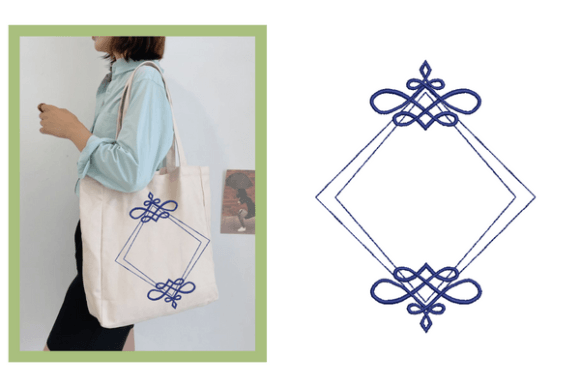
Frame Decoration: A Smart Border Design for Small Business Merch
First Impression: Friendly, Flexible, and Professionally Decorative
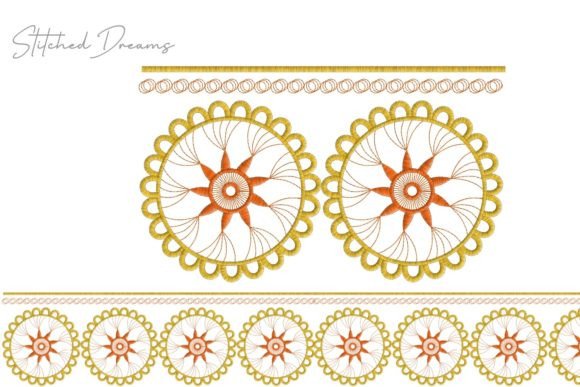
As an embroidery designer who’s developed hundreds of commercial designs for cafés, boutiques, bakeries, florists, and pet brands, my first thought on seeing Frame Decoration is: this isn’t just a decorative border—it’s a branding scaffold. The name signals intentionality, not randomness. It suggests structure, framing, and visual hierarchy—qualities small businesses need when building recognition across tote bags, aprons, caps, and product tags. Based on its description as a versatile embroidery design meant for “pillows, towels, bags, apparel, or home decor,” Frame Decoration reads as approachable yet polished: neither overly rustic nor coldly modern, but warmly intentional—a perfect middle ground for handmade brands that value craft *and* clarity.
Real-World Business Use: Where Frame Decoration Shines
Frame Decoration excels in roles where subtle branding meets functional visibility. As an embroidered patch, it frames logos beautifully—ideal for café aprons (stitched above the pocket), boutique tote bags (centered on the front panel), or staff caps (as a clean border around a small shop name). Its borders category tells me it’s built to enclose, highlight, or elevate—not dominate. That makes it especially valuable for:
- Custom apparel: Adding a refined edge to chest pockets or sleeve cuffs on work shirts;
- Apron embroidery: Encircling a small logo or shop motto without overwhelming the fabric;
- Tote bag design: Serving as a structured frame for printed or embroidered text on reusable shopping bags;
- Cap embroidery: Working as a clean, scalable band around the front panel—especially effective on structured cotton twill;
- Product packaging accents: Embroidering onto fabric tags, gift pouches, or linen labels for handmade soap, candles, or dried florals;
- Event merch & customer gifts: Stitching onto tea towels, coasters, or mini pouches for pop-ups and local markets.
Because it’s designed for “any fabric you like to work with,” Frame Decoration supports flexibility—critical when your small business works across linen napkins, canvas totes, denim jackets, and organic cotton tees.
Where to Use Frame Decoration Thoughtfully
Even strong designs require smart application. Frame Decoration should be used carefully on:
- Small patch sizes (<5” wide): Intricate inner spacing or fine outlines may collapse or blur—always test at final size;
- Cap fronts: Curved surfaces compress stitch placement; verify how the frame’s corners and proportions hold up on a rounded crown;
- Textured fabric (e.g., burlap, heavy terry cloth): High stitch density can sink or distort—use appropriate cutaway stabilizer;
- Dark uniforms: Ensure thread colors deliver enough contrast—light pastels may vanish on navy or charcoal;
- Frequently washed items (like staff aprons or kitchen towels): Confirm stitch density and underlay support durability over 50+ wash cycles.
Brand Identity Impact: More Than Just Pretty Stitching
For small businesses, consistency builds trust—and Frame Decoration supports that. Used across multiple touchpoints (e.g., framed around your logo on a cap *and* echoing the same shape on a tote bag tag), it creates subconscious visual rhythm. Customers begin to associate that clean, enclosing form with your brand’s attention to detail. Unlike standalone logos, borders like Frame Decoration reinforce professionalism without shouting—they signal care, craftsmanship, and cohesion. That’s why Etsy sellers and creative studios report stronger buyer engagement when using repeatable design assets like this: shoppers perceive higher product value, and handmade presentation feels intentional, not improvised.
Practical Designer Notes Before You Stitch
Before committing Frame Decoration to production, here’s what I always do—and recommend you do too:
- Test in black and white first: Strip away color to assess balance, spacing, and legibility;
- Check small patch viability: Resize to 2.5”–3.5” and run a sample—does the frame retain integrity?
- Review thread color contrast: Especially on dark or busy fabrics—avoid blending;
- Inspect spacing between elements: Tight gaps risk skipped stitches or thread breaks on dense machines;
- Confirm hoop size compatibility: Does it fit standard 4x4 or 5x7 hoops—or require larger framing?
- Test on real fabric: Not swatches—actual garment-weight material with your chosen stabilizer;
- Create a printable mockup for client approval: Show how Frame Decoration integrates with your logo, typography, and brand palette;
- Compare beside other design assets: Does it harmonize with your existing digital embroidery file library?
- Verify commercial licensing: Since you’re using it for small business merch, ensure the embroidery file permits resale and branded use—don’t assume.
Final Thought: A Strategic Asset, Not Just a Decoration
Frame Decoration isn’t filler. It’s a strategic machine embroidery design that helps small businesses say, “We pay attention to the details that matter.” Whether stitched onto a florist’s canvas apron, framing a bakery’s logo on a linen tea towel, or anchoring a pet brand’s tagline on a dog bandana, it elevates perception—without requiring redesigns, rebranding, or complex workflows. For embroidery shops and apparel decorators, it’s a reliable, cross-industry embroidered patch foundation. For Etsy sellers and crafters, it’s a consistent, licensable element that strengthens visual storytelling. And for any small business investing in custom apparel or branded product, Frame Decoration delivers quiet professionalism—one thoughtful stitch at a time.