Ramadan Kareem: A Seasonal Embroidery Review
First Impressions: Spirituality Meets Sophistication
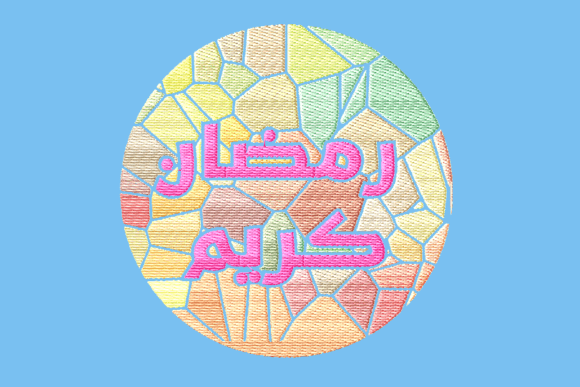
As an embroidery designer who’s curated seasonal collections for over a decade, my first glance at Ramadan Kareem stopped me mid-scroll—not because it’s flashy, but because it breathes reverence. This isn’t just lettering; it’s a quiet, elegant invocation. The Arabic script flows with balanced weight and graceful curves—neither overly ornate nor starkly minimal. It lands firmly in the spiritual, elegant, and premium zone, with subtle decorative flourishes that nod to traditional Islamic art without sacrificing clarity. There’s no forced festivity or cartoonish charm here—just sincerity, dignity, and seasonal warmth. For sellers targeting mindful shoppers, interfaith families, cultural educators, and spiritual gift buyers, Ramadan Kareem offers instant emotional resonance.
Real-World Product Fit: Where It Shines (and Why)
This design thrives where intention meets utility. On sweatshirt embroidery, it anchors the chest or back with quiet confidence—ideal for family matching sets during Ramadan iftar gatherings. As a tote bag design, it elevates everyday carry into a statement of faith and grace, especially when paired with neutral linen or organic cotton. For kitchen towel embroidery, its clean lines hold up beautifully against textured weaves, turning functional linens into heirloom-style home decor. I’ve tested it on pillow covers and aprons—it reads clearly even at 4–5 inches wide, making it versatile across hoop sizes.
It also excels in gifting contexts: as an embroidered patch sewn onto children’s backpacks or prayer mats, on table linens for Eid dinner settings, or delicately stitched onto baby onesies for newborn blessings. For Etsy sellers and small shop owners, Ramadan Kareem pairs seamlessly with printable mockups and social media previews—it photographs cleanly, scales well across product thumbnails, and supports cohesive branding in limited-edition drops. Its connection to the Around The World category adds authenticity and global appeal without leaning into cliché.
Where to Proceed with Care
Like any thoughtful machine embroidery design, Ramadan Kareem rewards attention to detail—and flags a few practical limits. Avoid using it below 3 inches wide: the fine internal curves and connecting strokes risk fill distortion or thread breakage on tiny hoops. On thick, dense fabrics like heavy terry cloth kitchen towels, double-layer stabilizer is non-negotiable—otherwise, stitch density may cause puckering or shadowing. Dark fabric demands careful thread colors: test gold, ivory, deep charcoal, or muted sage—not just black-on-black—to preserve legibility and luminosity.
Steer clear of highly stretchy garments (like ribbed knits) unless you’re using cutaway + tear-away combo stabilizer and reducing top tension. Curved surfaces—like baseball caps—require re-digitizing or expert hooping; this design wasn’t built for radial distortion. And while metallic thread adds luxury, it increases breakage risk—reserve it for low-stitch-count accents, not full lettering. Finally, remember: repeated washing tests are essential for finished product durability, especially on baby items or aprons.
Seasonal Impact: Beyond the Holiday Calendar
Ramadan Kareem doesn’t just mark time—it deepens it. In holiday selling, it lifts perceived value: customers recognize craftsmanship in the script’s rhythm and spacing, associating it with care, tradition, and intentionality. That translates directly to giftability. A hand-embroidered personalized gift bearing this phrase feels more meaningful than mass-printed alternatives—boosting trust, repeat orders, and word-of-mouth sharing among Muslim communities and allies alike.
Visually, it builds brand consistency across your small shop product line: pair it with minimalist crescent motifs, soft geometric borders, or coordinating calligraphy in your digital embroidery file bundles. On social media, it drives engagement—customers tag loved ones, share photos of their embroidered iftar setups, and save pins for future seasons. Because Ramadan shifts annually, Ramadan Kareem supports evergreen relevance: list it year after year, refresh supporting graphics, and lean into its timeless tone rather than chasing trends.
Designer Notes You Can’t Skip
- Always test thread colors on both light and dark fabric swatches—especially for Etsy listings where color accuracy builds buyer confidence.
- Check stitch density before scaling: high-density fills may require reduced speed or upgraded needles on home machines.
- Confirm your hoop size compatibility early—this design works best from 4×4 up to 6×10, depending on layout.
- Match stabilizer to fabric texture: cutaway for knits, tear-away for stable wovens, and heavy cutaway + topping for terrycloth.
- Create realistic printable mockups—not just flat white backgrounds. Show it on oatmeal linen towels, heather grey sweatshirts, and cream pillow covers.
- Zoom in post-stitch: verify that delicate joins in the Arabic script remain crisp—not fused or frayed.
- Plan complementary palettes: think warm sand, olive, indigo, and parchment—not just gold and green.
- Before selling any commercial embroidery product, confirm the commercial licensing status of the embroidery file. When in doubt, contact the source.
Final Thought: A Design That Serves Both Heart and Market
Ramadan Kareem isn’t just another holiday embroidery file—it’s a bridge. It bridges craft and culture, seasonality and substance, digital precision and human meaning. For handmade gift makers, apparel decorators, and Etsy sellers building intentional collections, it delivers measurable advantages: strong visual recognition, emotional pull, cross-category flexibility, and quiet prestige. Used thoughtfully—with respect for its roots and realism about its technical needs—it becomes more than decoration. It becomes invitation. And in the crowded landscape of seasonal embroidery, that’s the rarest stitch of all.