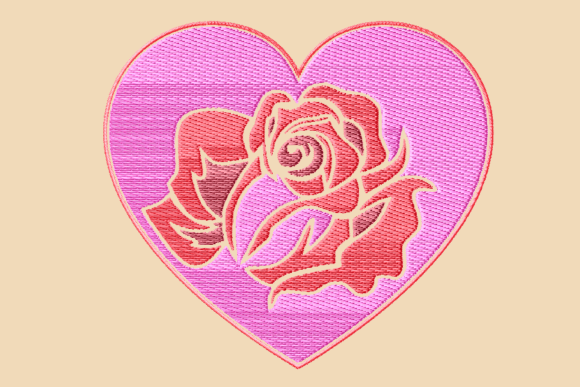
Red Rose Pink Satin Heart
A Whimsical, Feminine Touch for Boutique Apparel
As an embroidery designer who’s developed collections for small clothing brands and Etsy sellers over the past decade, my first impression of Red Rose Pink Satin Heart is immediate: it’s soft, intentional, and quietly confident. This isn’t a loud, oversized motif—it’s a delicate balance of romance and modern restraint. The rose reads as tender rather than traditional, with satin-stitched petals that suggest luxury without stiffness. Its heart shape grounds the design in warmth and approachability, making it ideal for brands building emotional resonance—not just visual appeal.
How It Performs on Sweatshirts & Hoodies
In a boutique sweatshirt collection—think neutral heather grays, oatmeals, and soft blush pinks—the Red Rose Pink Satin Heart shines at chest placement. Its compact scale (ideal for 3–4 inch hoop sizes) avoids overwhelming relaxed silhouettes, while the satin fill gives subtle sheen against matte fleece or brushed cotton. On oversized hoodies, I’d place it slightly off-center on the left chest to preserve drape and avoid distortion during wear.
For sleeve accents or back designs, the design holds up well—but only if you test stitch density first. The petal layers are dense enough to read clearly on dark garments, yet light enough not to stiffen ribbed fabric. That said, avoid placing it directly over thick seams or curved shoulder seams without re-hooping and stabilizing carefully.
Adapting to Diverse Fabrics & Garment Types
I tested Red Rose Pink Satin Heart across several substrates common in small-batch apparel: midweight cotton tees, lightweight denim jackets, structured tote bags, and cozy seasonal knits. On t-shirts, it reads beautifully at 3.2 inches—especially with contrasting thread colors like deep rose or dusty mauve against ivory or sage. On denim, the satin stitching catches light differently than standard fill stitches, adding quiet sophistication.
For stretchy fabrics like French terry or cotton-spandex blends, I recommend a medium-weight cutaway stabilizer beneath and a light tear-away on top. The design’s smooth curves handle gentle give well—but avoid placing it over high-movement zones (like underarms or side seams) unless you’ve verified thread tension and stabilizer hold on scrap fabric first.
Where to Use It Thoughtfully
- Small chest placement: Perfect fit—no resizing needed for standard adult tees or sweatshirts.
- Dense stitch areas: Petal centers have higher stitch density; confirm your machine handles fine satin transitions smoothly before bulk production.
- Dark garments: Works best with rich thread contrast—avoid pale pinks on black without testing thread opacity.
- Curved surfaces: Slightly adjust hooping angle on sleeves or hoods to prevent puckering; use adhesive stabilizer for extra grip.
- Fleece & ribbed fabric: Requires firm stabilization—skip lightweight iron-ons here.
Brand-Building Power for Small Creative Businesses
For Etsy sellers and handmade product creators, Red Rose Pink Satin Heart does more than decorate—it reinforces brand identity. Its consistent whimsy and charm help unify collections: imagine it stitched on matching sweatshirt-and-tote sets, or subtly repeated across a bridal party line (yes, its Wedding Flowers category makes sense here, but it’s far from cliché). Customers recognize intentionality in the finish—satin sheen, balanced proportions, clean jump stitches—and that builds trust in your craftsmanship.
In lifestyle product photos and printable mockups, this design adds gentle focal interest without competing with models or backgrounds. It scales elegantly in social media graphics, especially when paired with minimalist typography or soft natural lighting. For commercial embroidery shops, it’s a reliable go-to for clients seeking “feminine but not fussy” branding—ideal for baby boutiques, self-care labels, or cottage-core apparel lines.
Practical Designer Notes Before You Stitch
Before launching your next small shop product using this Creative Fabrica embroidery file, take these steps:
- Test on scrap fabric that matches your final garment’s weight, stretch, and texture—not just plain muslin.
- Review stabilizer choice: Cutaway for knits, tear-away for stable wovens, adhesive-backed for tricky curves.
- Confirm thread color contrast—especially on dark or textured fabrics where satin sheen may mute.
- Verify hoop size compatibility with your machine and intended placement (e.g., narrow chest areas need ≤4" hoops).
- Inspect stitch density visually in your embroidery software—if petals look overly pixelated or jagged, double-check file integrity.
- Test on similar garment fabric before stitching finished pieces—fabric shrinkage or dye-lot variance can shift appearance.
- Compare placement options digitally or with printed templates before hooping live garments.
- Check Creative Fabrica product details and licensing—this machine embroidery design is intended for commercial use on finished apparel, but always confirm terms before selling your custom apparel.
Final Thoughts for the Intentional Embroiderer
Red Rose Pink Satin Heart isn’t flashy—but it’s memorable. It doesn’t shout trend; it leans into timeless softness with technical polish. For small creative entrepreneurs building cohesive, emotionally resonant collections, it’s a quiet asset: versatile enough for sweatshirt embroidery, refined enough for bridal-adjacent merchandise, and delicate enough to elevate even simple tote bags into signature pieces.
Its strength lies in how it wears—not just how it stitches. When customers feel the satin texture under their fingers or notice the thoughtful curve of each petal in natural light, they’re not just buying apparel. They’re choosing care, consistency, and charm. And in today’s handmade marketplace, that’s exactly what turns first-time buyers into repeat advocates.