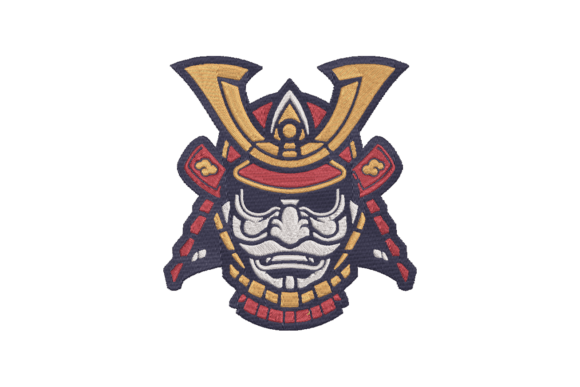
Samurai Embroidery Design
A First Impression: Bold, Balanced, and Boutique-Ready
Opening the Samurai embroidery file on my design software, I immediately felt its presence—not loud or aggressive, but grounded, intentional, and quietly confident. This isn’t a cartoonish or overly stylized interpretation; it’s a refined machine embroidery design rooted in Asia-inspired composition, with clean line work, balanced negative space, and subtle textural layering that reads as premium at a glance. The stitching mood is strong yet controlled—neither minimalist nor ornate, landing somewhere between modern classic and artisan-crafted. It carries weight without heaviness, making it ideal for boutique apparel where distinction matters more than flash.
How Samurai Performs Across Apparel Types
As I planned a small capsule collection—neutral sweatshirts, oatmeal hoodies, heather grey tees, and even a limited denim jacket run—I tested Samurai’s visual adaptability across real garment contexts:
- Sweatshirt embroidery: On midweight French terry, Samurai shines at chest placement—its central motif holds clarity without overwhelming the fabric’s soft drape. The stitch density feels purposeful, not dense enough to stiffen the area, but rich enough to catch light on lifestyle product photos.
- Hoodie design: Placed just above the left pocket, it adds quiet authority. On oversized hoodies, it avoids looking lost—its proportions scale well visually, even when viewed from a distance in social media graphics.
- Sleeve accents & back designs: Rotated 90° and resized to ~3.5", Samurai works beautifully on sleeve cuffs—especially on relaxed-fit tees and lightweight hoodies. As a centered back piece (scaled to ~6"), it becomes a subtle signature, reinforcing brand identity without shouting.
- Tote bag & seasonal layers: On natural canvas totes, it reads cleanly and ages gracefully. Paired with cozy knits or fleece-lined jackets, its structured lines contrast thoughtfully with soft textures—enhancing visual consistency across a lifestyle-focused Etsy shop.
Where Samurai Adds Real Value for Creative Entrepreneurs
This isn’t just another Creative Fabrica embroidery download—it’s a strategic asset for small shop product development. Samurai elevates perceived value: customers associate its confident silhouette with craftsmanship, not mass production. For an Etsy seller building a boutique brand around mindful design, it supports visual storytelling without requiring custom illustration. When used consistently across t-shirts, hoodies, and tote bags, it builds product recognition—shoppers begin to recognize “that calm, strong emblem” as part of your handmade product universe.
It also strengthens buyer trust. Because the design avoids trend-chasing clichés, it feels timeless rather than disposable—aligning with the values of conscious consumers who invest in durable, meaningful apparel. In commercial embroidery workflows, Samurai’s clean edges and thoughtful spacing translate reliably into sharp, professional presentation—even on curved surfaces like ribbed collar bands or tapered sleeves.
Smart Placement & Practical Considerations
Samurai rewards intentionality. Its strength lies in restraint—not every placement works equally well:
- Avoid tiny chest placements under 2.8": Fine details (like subtle armor texture or blade curvature) may blur on stretchy fabric or low-thread-count cotton.
- Test stabilizer choice carefully: On fleece or thick sweatshirt fabric, a medium-cutaway stabilizer preserves crispness better than tear-away. On ribbed fabric, basting helps prevent puckering around denser stitch zones.
- Dark garments demand contrast: Use matte black or deep charcoal thread on navy or charcoal apparel—but avoid glossy threads that compete with the design’s dignified tone. For light fabrics, heather grey or warm taupe threads add depth without starkness.
- Curved surfaces need hooping precision: On hoodie hoods or jacket yokes, use a hoop with a gentle curve or reposition frequently to maintain registration. Samurai’s symmetry helps here—misalignment is less obvious than with asymmetrical motifs.
Design Notes Every Embroidery Professional Should Check
Before committing to production, I always run these checks—especially with a digital embroidery file like Samurai:
- Test on scrap fabric matching your actual garment’s weight, stretch, and finish.
- Confirm hoop size compatibility—some versions of Samurai may require a 5x7" or larger hoop depending on scaling.
- Inspect stitch density visually in software: look for tight clusters that could cause stiffness or thread breakage on high-speed machines.
- Compare placement options using printable mockups—Samurai’s balance makes it versatile, but chest vs. sleeve vs. back changes how customers engage with your brand story.
- Review Creative Fabrica product details thoroughly—verify included formats (DST, PES, etc.), and confirm licensing terms for commercial embroidery and finished product resale.
Final Thoughts for Small Brands & Handmade Business Owners
Samurai doesn’t try to be everything. It’s not playful, cutesy, or hyper-trendy—and that’s precisely why it works so well for serious creative entrepreneurs. Whether you’re launching a small clothing brand, expanding your Etsy shop with cohesive seasonal pieces, or building a signature look for your embroidery studio, Samurai offers quiet confidence. It pairs effortlessly with neutral palettes, supports thoughtful branding, and performs reliably across fabric types—from structured denim jackets to slouchy hoodies.
Most importantly, it respects the craft. As someone who reviews hundreds of embroidery files a year, I appreciate when a design feels *considered*—not just digitized, but composed. Samurai invites attention without demanding it. That kind of subtlety is rare. And in a saturated market of fast, forgettable designs, that’s exactly what helps a boutique brand stand out—and stay remembered.