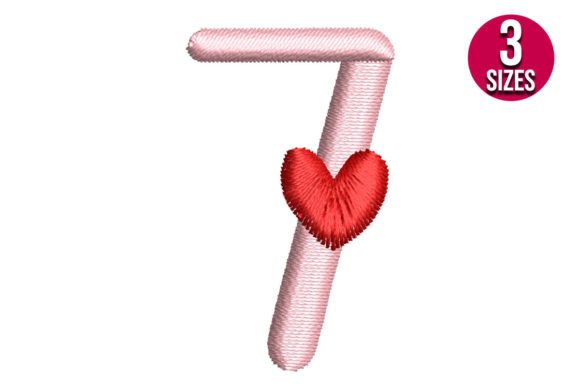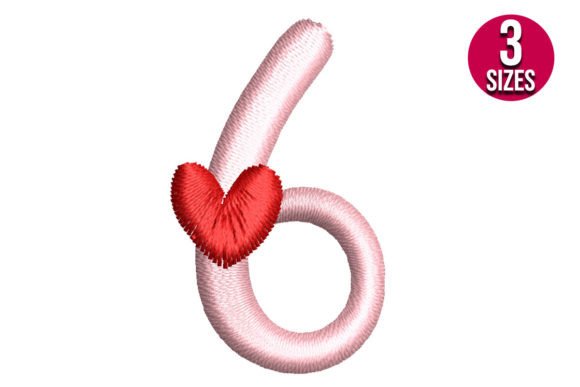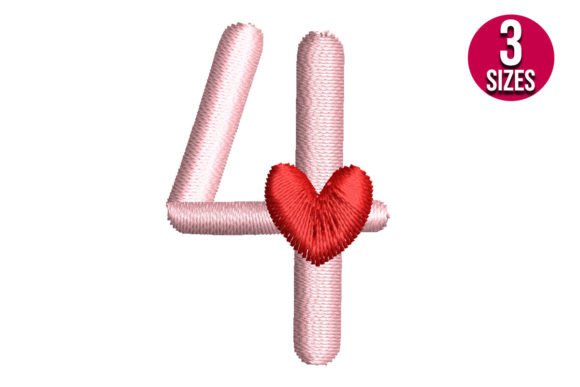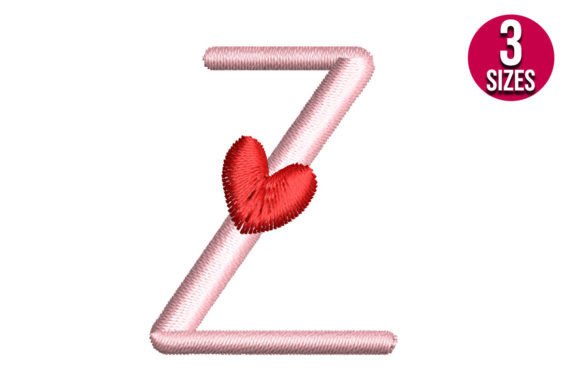
Self Love Heart
A Craft Fair Designer’s First Look at Self Love Heart
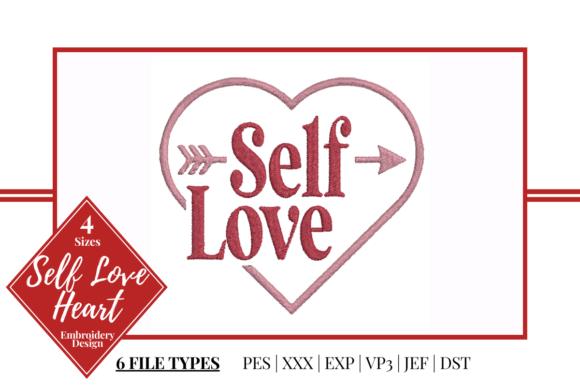
As an embroidery designer who’s packed, stitched, and sold through 47 craft fairs—and built three Etsy shops around machine embroidery—I opened the Self Love Heart file with one question: “Does this stop someone mid-aisle?” It does. The title alone lands with quiet confidence—not cutesy, not clinical, but warm, intentional, and emotionally resonant. Visually, it reads as modern-minimal with a soft handmade soul: clean lines, balanced negative space, and a heart shape that feels both classic and freshly drawn. It’s not festive in a glittery Valentine S Day way—it’s deeper than that. It’s the kind of design customers touch before they ask the price. That’s gold at a handmade market.
Where Self Love Heart Shines on Real Craft Fair Products
This isn’t a one-size-fits-all embroidery file—it’s a mood-setter. And moods sell. Here’s where Self Love Heart delivers strongest:
- Tote bag design: Centered on a natural canvas or oatmeal linen tote, it reads clearly from six feet away—no competing graphics needed. Perfect for eco-conscious shoppers and boutique makers building cohesive collections.
- Apron embroidery: Placed just above the pocket on a denim or cotton apron, it adds personality without overwhelming utility. Customers associate it with care—both self-care and craft care.
- Tea towel embroidery: Works beautifully on medium-weight flour-sack towels. The design holds its shape even after repeated washing, and the open heart motif invites conversation in kitchen-focused booths.
- Embroidered patch: At 3–4 inches wide, Self Love Heart scales down crisply. Iron-on or sew-on versions fly off tables—especially when bundled as “self-care starter kits” with lavender sachets or matcha samples.
- Pillow cover & fabric pouch: Its symmetry and gentle curves translate elegantly to home and lifestyle sections. On linen pillow covers, it feels premium; on drawstring pouches, it elevates a simple accessory into a giftable handmade product.
It’s less effective on curved cap surfaces (unless resized and re-digitized for low-profile stitching) and struggles on heavily textured towels where stitch density may blur definition. Save it for smooth-to-medium fabrics—cotton, linen, twill, and stable blends.
What Makes Self Love Heart a Smart Sell for Etsy Sellers & Small Shops
From a digital embroidery file standpoint, Self Love Heart is highly repeatable. Its moderate stitch count (implied by clean lines and no micro-detailing) supports fast batch production—critical when prepping for a weekend fair. It photographs exceptionally well: soft shadows, clear edges, and thread colors that pop against neutral backgrounds make for strong printable mockups and scroll-stopping Etsy listings. Buyers don’t need context to “get it.” That simplicity builds trust—especially for first-time buyers browsing handmade markets online or in person.
It also strengthens brand consistency. Whether you’re selling embroidered tea towels under “Hearth & Thread” or minimalist patches under “Quiet Stitch Co.,” Self Love Heart fits without needing rebranding. It doesn’t scream “Valentine S Day”—so it stays relevant year-round, supporting evergreen inventory instead of seasonal spikes.
Design Notes Every Embroidery Business Owner Should Check
Before cutting fabric or loading hoops, run these checks—especially if you're producing finished products for commercial embroidery or wholesale:
- Test on scrap fabric first. Run a sample on the exact fabric you’ll use—especially dark or textured materials. Thread contrast matters more than file preview thumbnails suggest.
- Confirm hoop size and stabilizer match. This design benefits from medium-weight cutaway or tear-away stabilizer on lightweight fabrics, and a light fusible on heavier linens. Avoid over-stabilizing—it can mute the softness of the heart shape.
- Review spacing and stitch density. While the description doesn’t specify exact counts, look for tight fill areas inside the heart—if present, reduce density slightly for towels or aprons to prevent stiffness.
- Create at least one real mockup. A stitched tote bag or pillow cover tells you more than ten digital previews. Does the heart sit evenly? Does thread pooling occur near curves? Does it feel handmade—not machine-made?
- Compare fabric colors side-by-side. Light threads on dark fabric may require underlay stitches. Dark threads on light fabric often read bolder—but test how “self love” translates visually when color shifts alter emotional tone.
- Verify commercial licensing. Since this is positioned as a craft fair product and handmade product, confirm the embroidery file includes permission for resale of finished items. Don’t assume—check before investing in bulk fabric or packaging.
Final Thoughts for Creative Entrepreneurs
Self Love Heart isn’t flashy—but it’s magnetic. At a crowded craft fair, it draws people who value intention over impulse. It performs across categories without diluting your voice. It supports small shop product lines with ease, scales well for Etsy sellers juggling multiple listings, and gives embroidery business owners a reliable anchor design—something that sells whether you’re launching a new brand or refreshing an established booth display.
Most importantly, it invites engagement. Customers point. They smile. They say, “I need that for my daughter,” or “That’s exactly how I’m feeling right now.” That human connection—that moment of recognition—is what turns a $12 embroidered pouch into a remembered experience. And in handmade markets, experiences are the ultimate currency.
So yes—stock it. Stitch it. Showcase it boldly. Just remember: let the heart breathe. Let the thread colors speak. And always, always test before you commit.